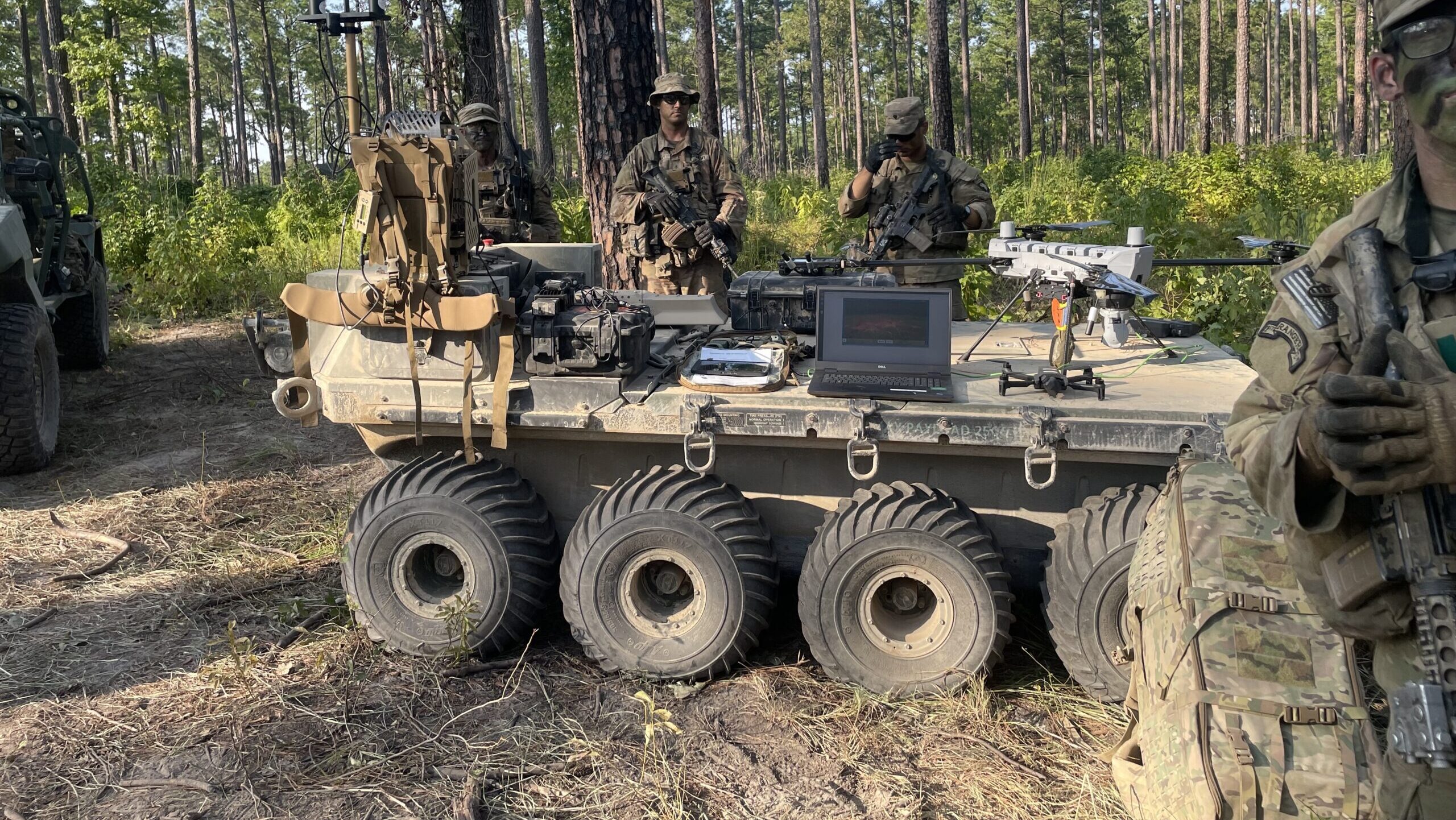
Army shifting S-MET work over to new acquisition shop
PEO CS&CSS is retaining a separate ground autonomy competition designed to field self-driving PLS trucks.
PEO CS&CSS is retaining a separate ground autonomy competition designed to field self-driving PLS trucks.

The Army may spin off a procurement track solely for software development — in parallel to physical production — in hopes of hastening the "cadence" of essential digital upgrades to OMFV, officials told Breaking Defense.
Michigan’s defense ecosystem and expertise makes it a special asset for production.
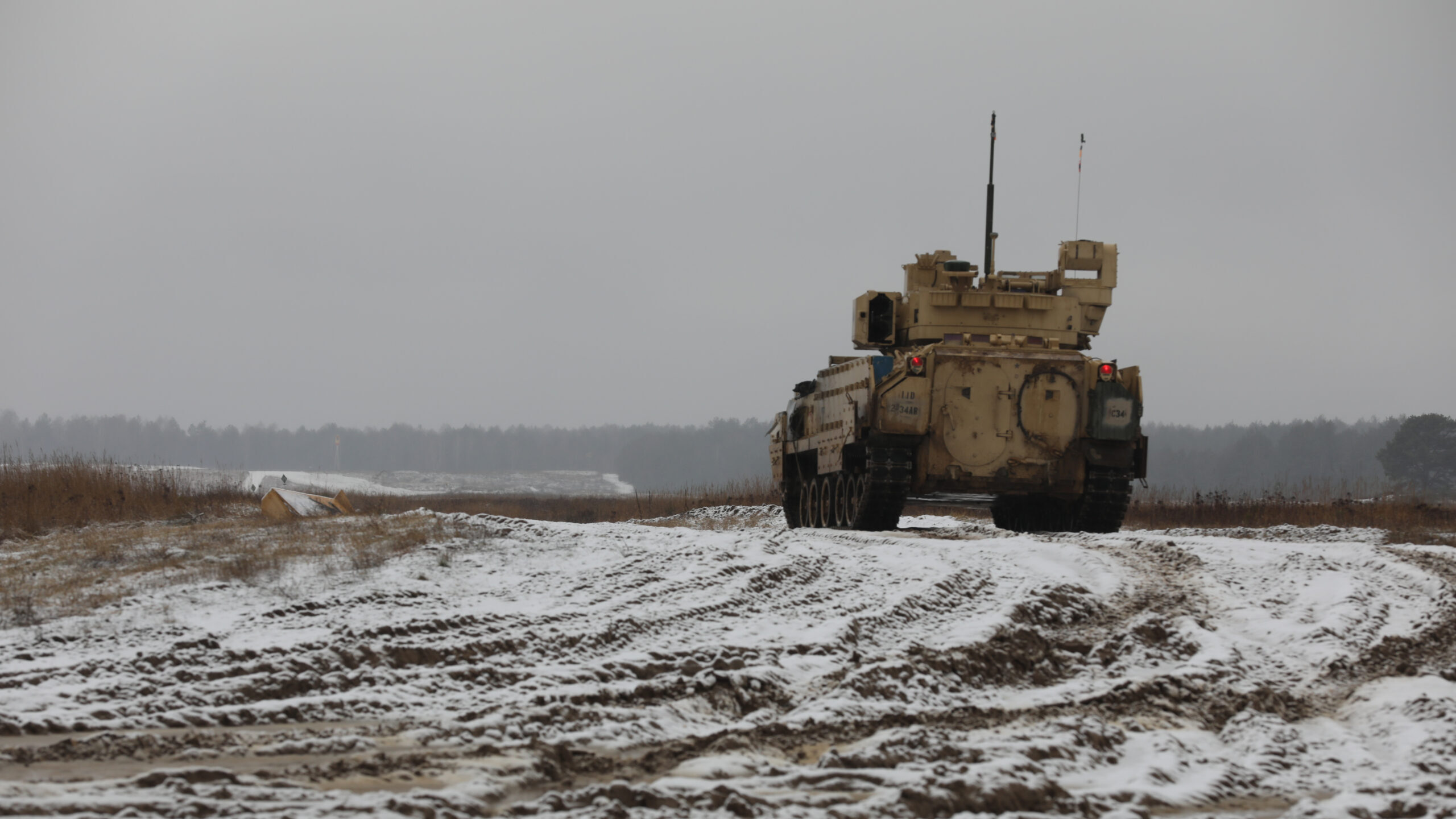
The Army released the RFP for the next two phases of the Bradley Fighting Vehicle on July 1, which could see some new entrants from abroad.
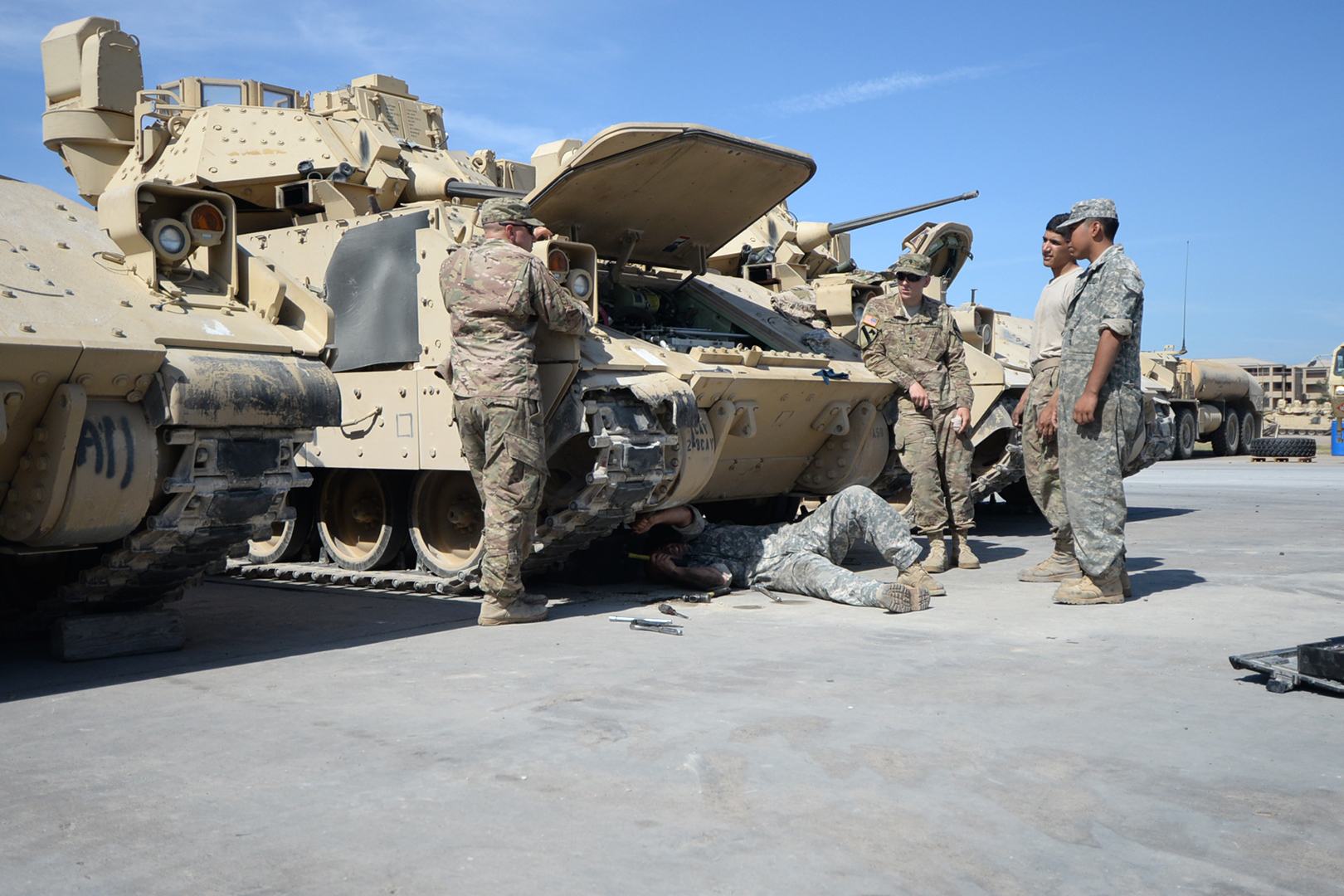
“Modular open systems architecture... is the foundation of all our future modernization,” said Brig. Gen. Glenn Dean. The Bradley replacement, OMFV, will be the test case.

The Army is testing the MPF light tank; evaluating concepts for the OMFV troop carrier; preparing for major tests of high-tech Robotic Combat Vehicles and workhorse Armored Multi-Purpose Vehicles in 2022; and will test a full battalion of 18 ERCA howitzers in 2023.
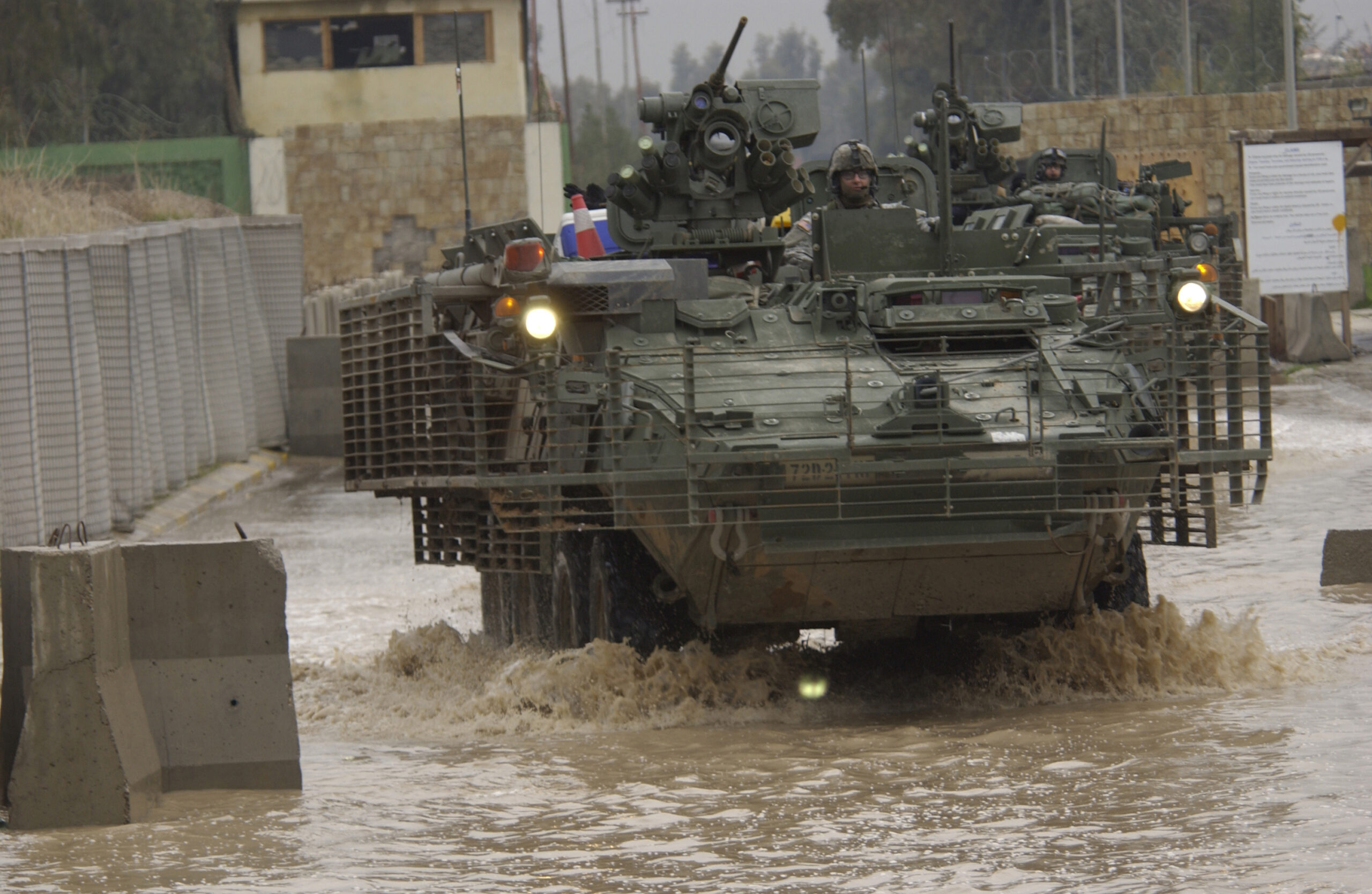
Miniaturized missile defenses work well on heavy tanks, but efforts to fit such Active Protection Systems on light vehicles like Stryker have failed – so far. Now the Army will test two lightweight options: Rafael’s Trophy VPS and Rheinmetall’s ADS.


Consolidate network monitoring, performance management, and fault isolation into a single, comprehensive solution.
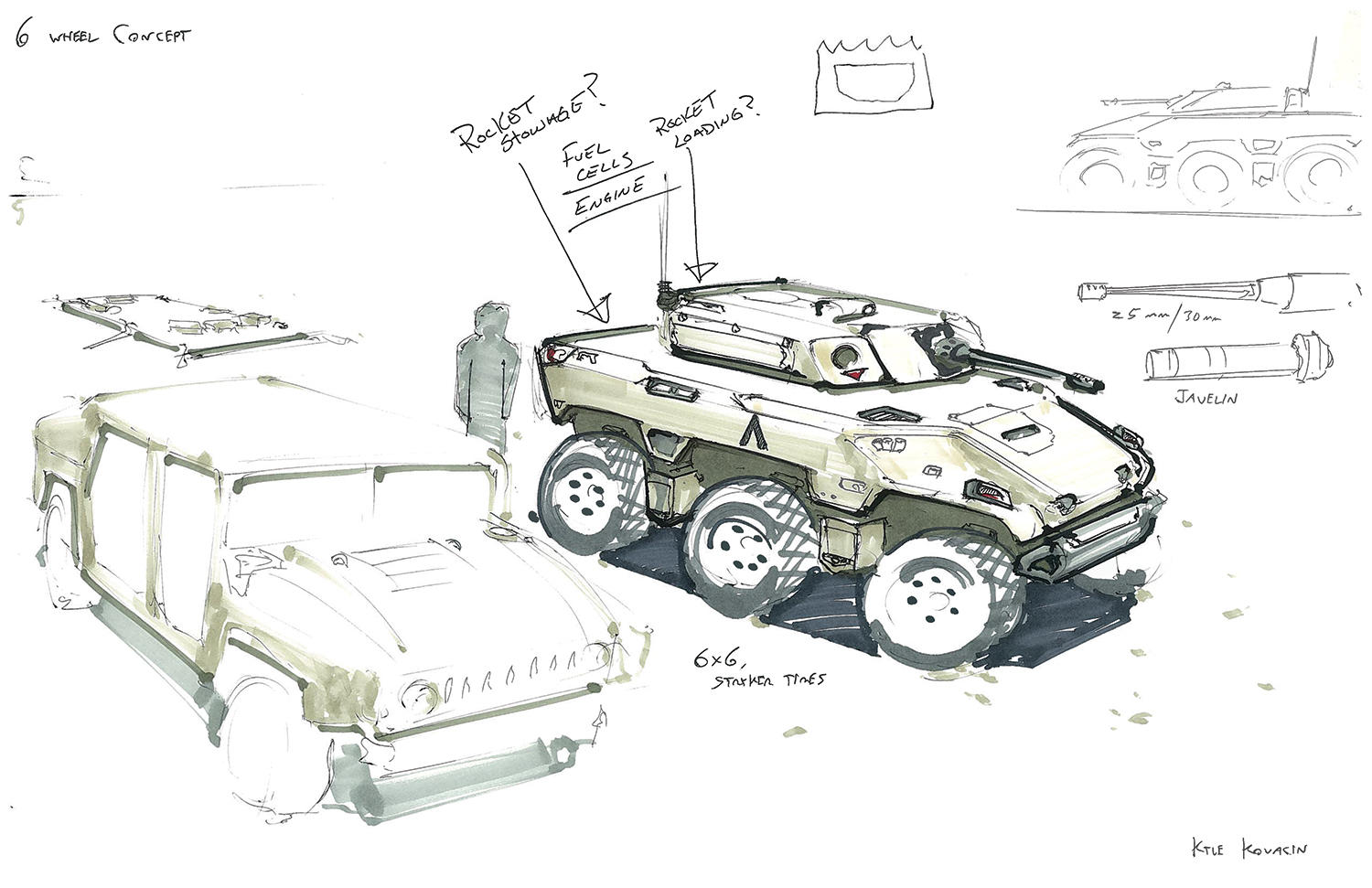
Industry sources say the Army shouldn’t enter its own in-house design team in the race to replace the M2 Bradley. Top Army officials told us why it would work.
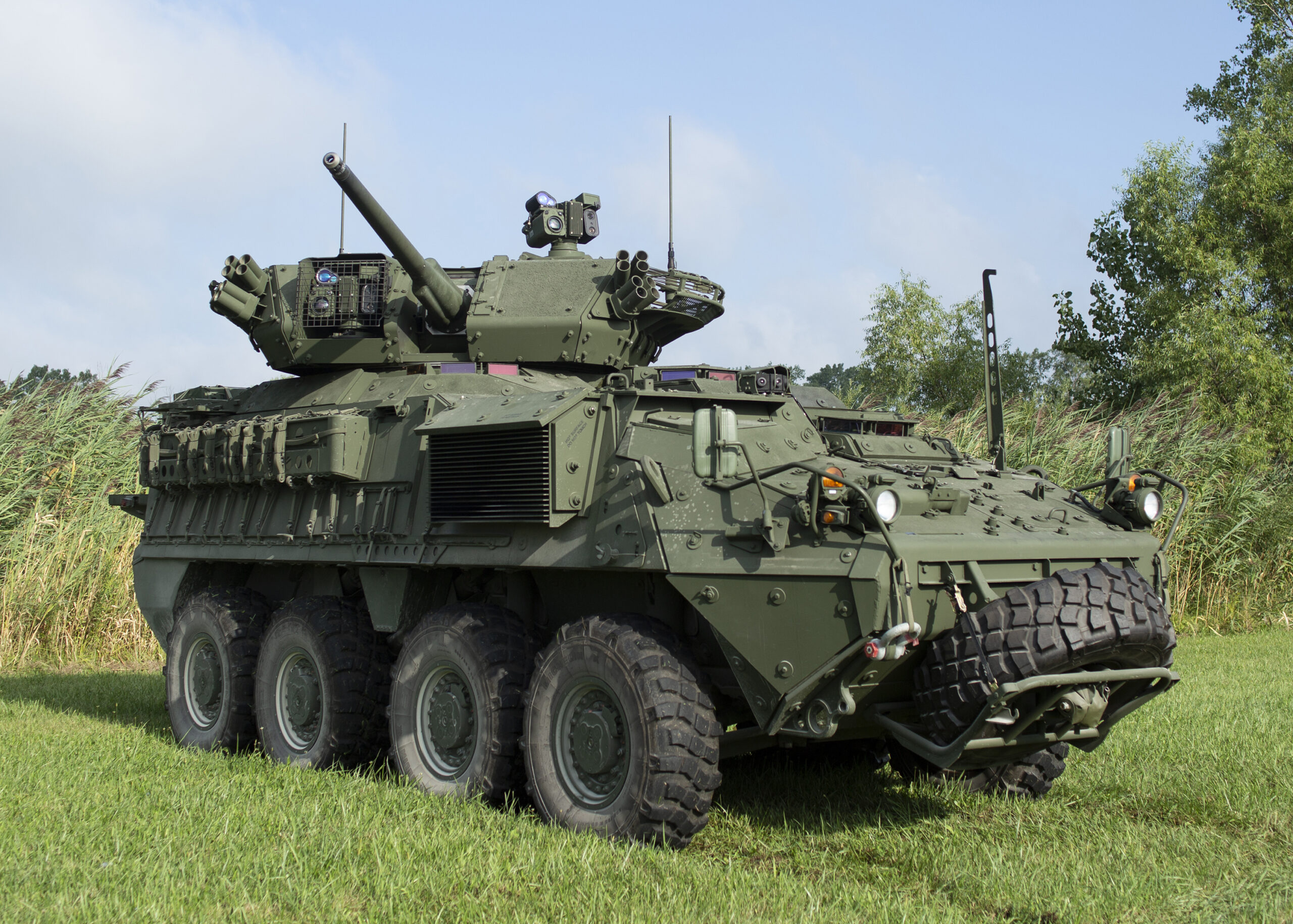
While at least two of six competitors have dropped out, the Army says it will still have plenty of 30mm turret options to choose from as it starts testing this fall.
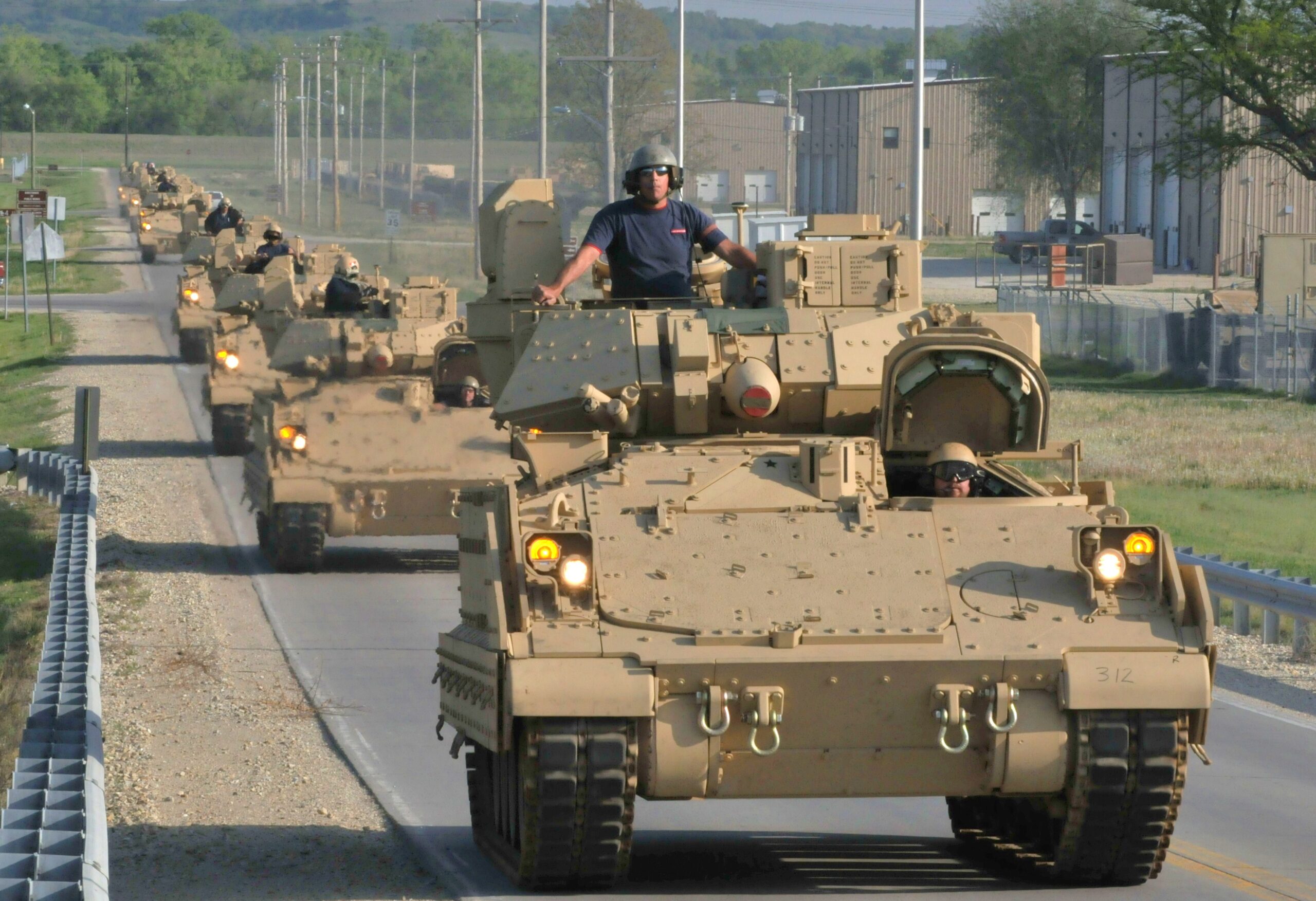
WASHINGTON: Seeking to stop Russian-made anti-tank missiles, the US Army will buy Israel’s Iron Fist Active Protection System for a brigade of its M2 Bradley armored vehicles, Breaking Defense has learned. The decision comes after weeks of confusing statements by Army officials and months of delays fitting the high-tech active protection on a Cold War-vintage […]
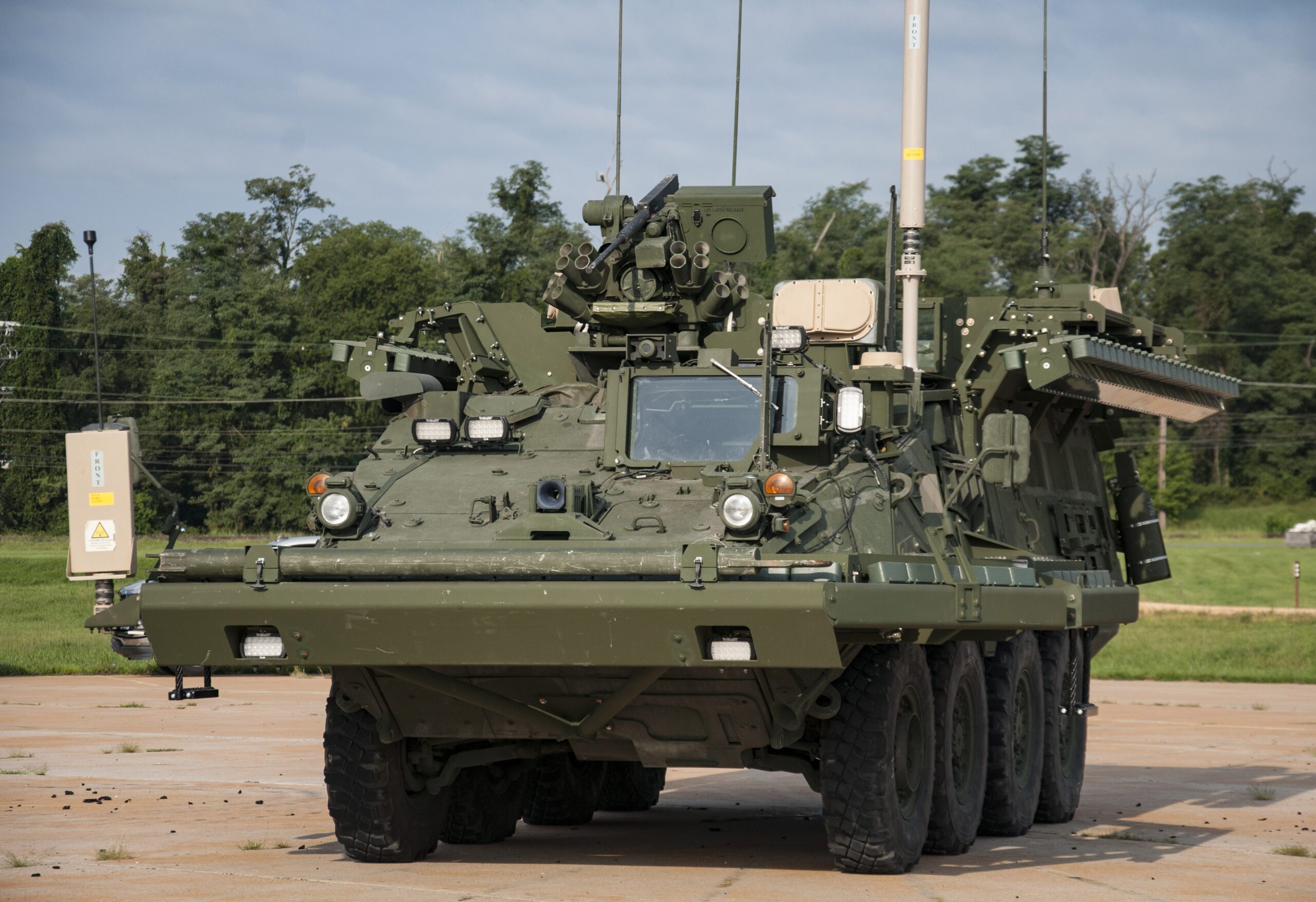
By 2022, the service plans to field new advanced reactive armor tiles to neutralize incoming warheads, a laser early warning system to warn crews they're being targeted, and a signature management effort to avoid detection in the first place.


Blending superior optics, advanced stabilization and AI-powered autonomy in a compact and rugged system, ASELFLIR 600 delivers unmatched intelligence, surveillance and reconnaissance (ISR) capabilities.
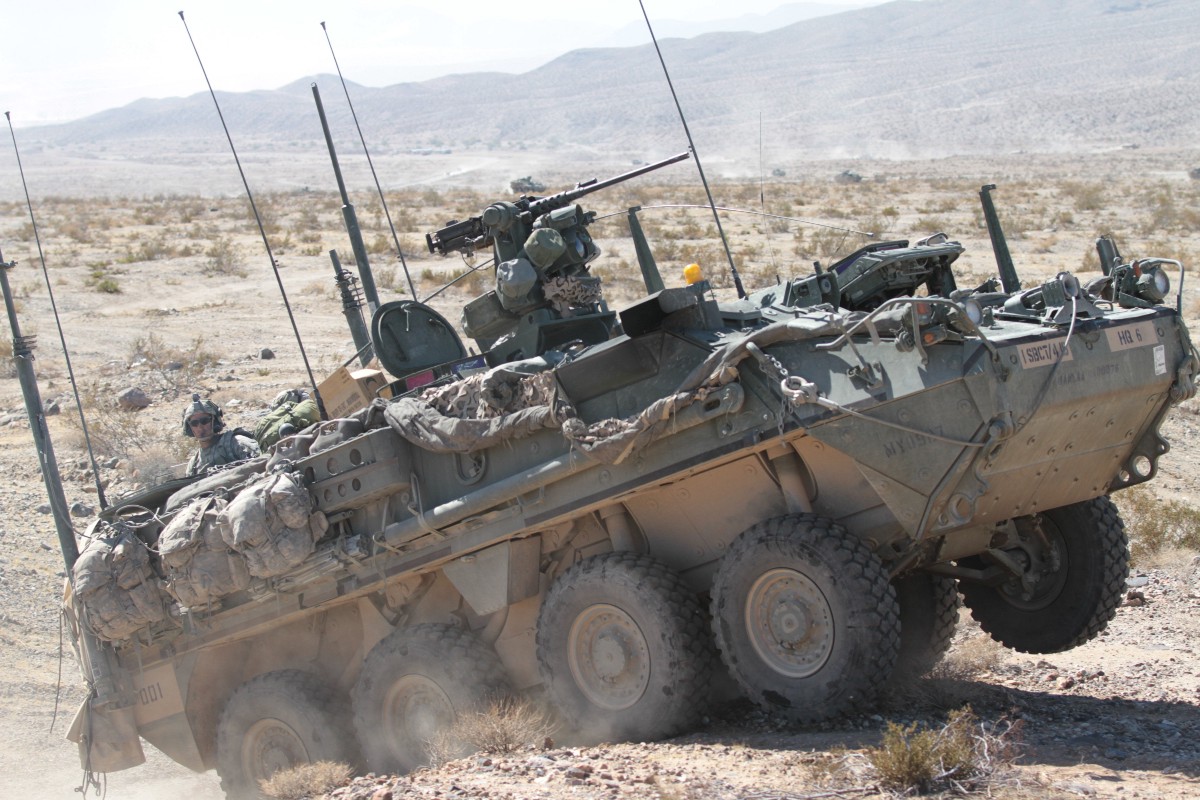
NATIONAL PRESS CLUB: The Army’s wheeled vehicle programs like Stryker and JLTV are leading it on the path to open architecture, a modular approach to designing software and electronics that makes them easier to upgrade. That’s particularly critical when, facing Russian GPS jamming, the Army is looking to improve Position, Navigation & Timing (PNT) on tens […]
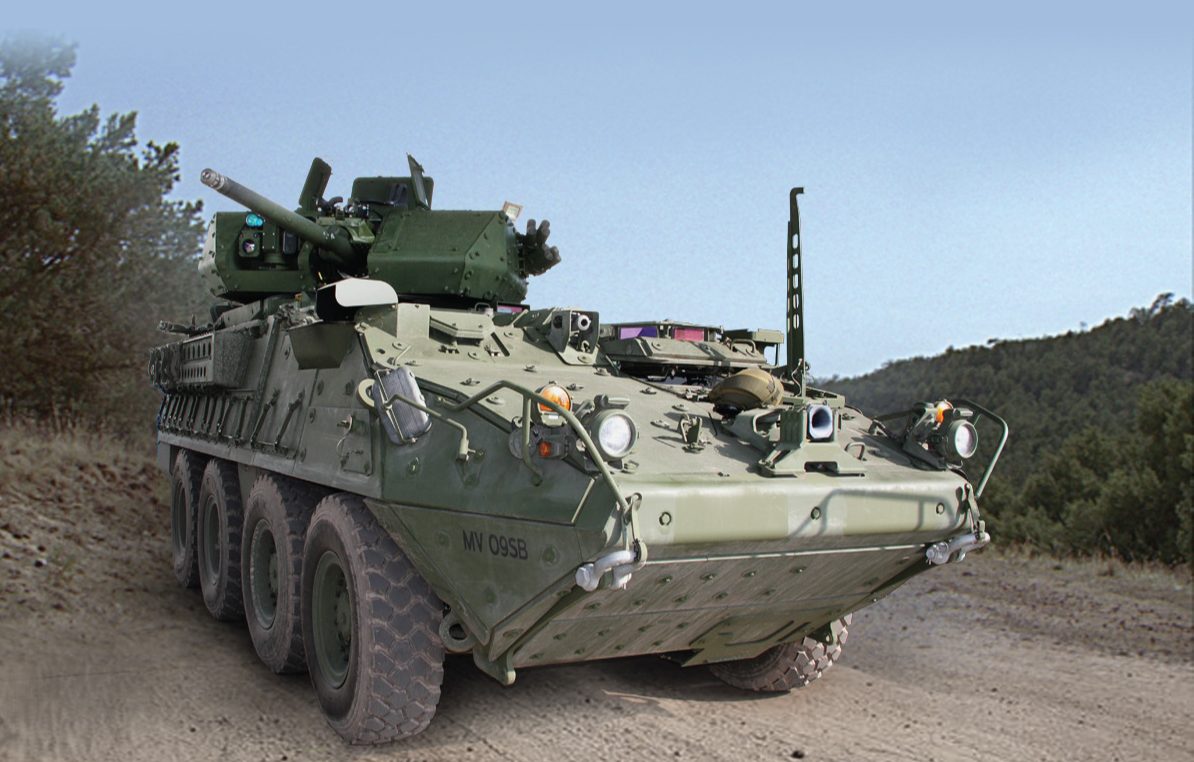
ABERDEEN PROVING GROUND: Two years after the Europe-based 2nd Cavalry Regiment requested more firepower to deter the Russians, 30 millimeter shells and Javelin missiles thundered downrange here at the Army’s oldest proving ground. Even standing at a safe distance, 20 yards from the closest of the two Stryker vehicles, I could feel the muzzle blast […]

CAPITOL HILL: Sen. John McCain wants an ambitious plan for new ground vehicle designs and new kinds of combat units from the Army. So does the Heritage Foundation, which has provided much of the brain power for the Trump administration. But the Army isn’t on board: Burned by past program meltdowns like FCS and GCV. […]

The armored workhorse of the US Army, the M113 tracked carrier, first entered service in 1960. This morning, less than two years after signing a contract to replace the M113 in its roles as armored ambulance, mobile command post, and more, the Army and BAE Systems rolled out the first production-representative Armored Multi-Purpose Vehicle (AMPV). […]